

Kaxite Company

About Us

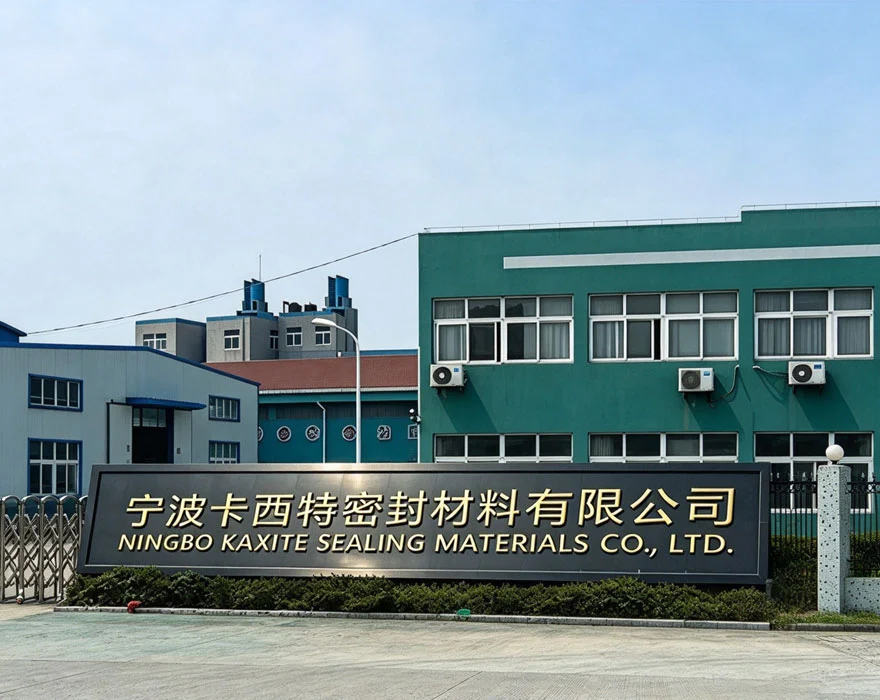
Ningbo Kaxite Sealing Materials Co., Ltd.

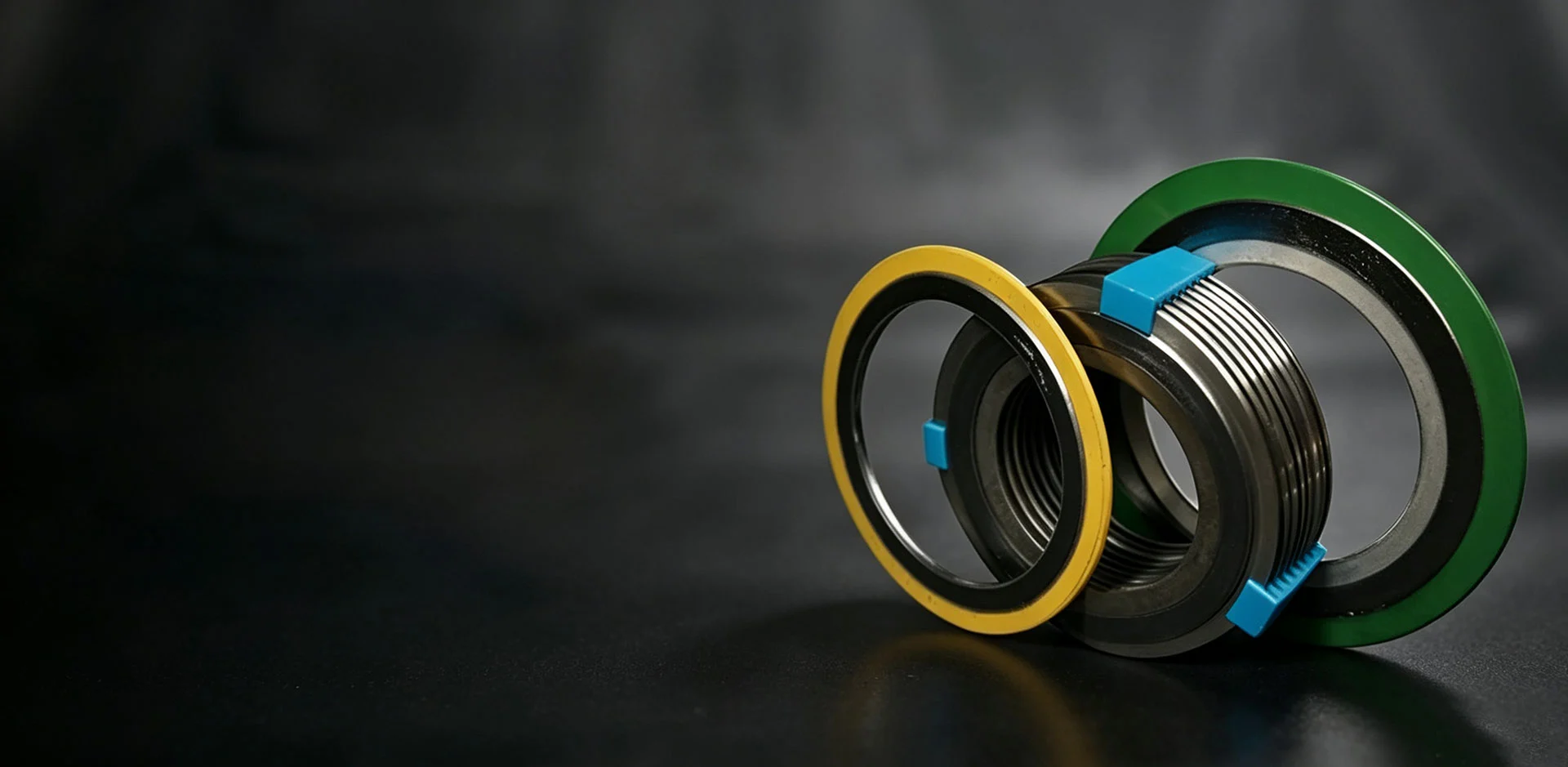
Founded in 1995, Kaxite is a leading spiral wound gasket manufacturer certified under ISO 9001:2025, API 601, and ASME B16.20. We supply inner/outer ring SWGs, RTJ gaskets, Kammprofile, and PTFE packings to over 60 countries, including ExxonMobil, Saudi Aramco projects, and European valve manufacturers.

Our in-house R&D and CNC machining ensure ±0.1mm precision and rapid 7-day delivery for non-standard sizes.

View More
Why Choose Kaxite

30+ years of engineering excellence – trusted by global energy & chemical leaders

Quality Control 100% leak-tested before shipment | ≤0.01% defect rate in 2025
OEM & ODM 30+ years supplying Europe, USA, Middle East | 500+ custom molds available
Competitive Price Direct factory pricing – save 15–30% vs. European brands | No minimum order for samples
Prompt Feedback Quote in ≤2 hours | 24/7 technical support | Order tracking updates
✓ ISO 9001:2025 ✓ API 601 ✓ ASME B16.20 ✓ TUV Tested

Frequently Asked Questions About Spiral Wound Gaskets

Q: What materials can you use for spiral wound gasket windings?
A: We provide SS304, SS316, SS316L, Monel, Inconel, Titanium for windings; fillers include graphite, PTFE, ceramic fiber, and mica. All comply with ASME B16.20.
Q: Can you customize spiral wound gaskets with both inner and outer rings?
A: Yes. Our ASME B16.20 SWGs are available with inner ring (for pressure resistance) and outer ring (centering). We also produce non-standard dimensions for special flanges.
Q: What is the minimum order quantity for API 601 gaskets?
A: MOQ is only 10 pcs for standard sizes, and we offer sample service (free for existing customers).

News

  • What are the advantages of using semi-metallic gaskets?
    2026-02-11
    What are the advantages of using semi-metallic gaskets?

    Semi-metallic gaskets offer enhanced sealing performance, durability, and resistance to extreme temperatures and pressures.

  • What are the main types of metallic gaskets available?
    2026-02-10
    What are the main types of metallic gaskets available?

    Metallic gaskets are crucial sealing components used in high-pressure, high-temperature, and corrosive environments where non-metallic gaskets fail. They function by deforming to fill imperfections between flange surfaces, creating a leak-tight seal. This article explores the main types of metallic gaskets, such as ring-type joints (RTJs), spiral-wound gaskets, and metal jacketed gaskets, detailing their distinct designs, materials, and typical industrial applications. Understanding these variations is key to selecting the optimal gasket for specific operating conditions and ensuring system safety and integrity.

  • What are the main types of non-metallic gaskets available?
    2026-02-09
    What are the main types of non-metallic gaskets available?

    This article provides an overview of the primary categories of non-metallic gaskets.

  • Can rubber gaskets be reused
    2026-06-01
    Can rubber gaskets be reused

    Rubber gaskets can sometimes be reused if they’re still pliable and free of cracks or deformation, but their sealing ability often degrades after compression. Factors like material type, age, heat exposure, and chemical contact determine whether reuse is safe or risks leaks.

  • What types of PTFE packing are available on the market?
    2026-05-29
    What types of PTFE packing are available on the market?

    Discover the different types of PTFE packing available on the market, from braided and die-molded forms to filled varieties, and learn how each is used in industrial sealing applications.

  • What are the different types of graphite packing?
    2026-05-28
    What are the different types of graphite packing?

    Learn about the various types of graphite packing, including flexible graphite, graphite-impregnated, and carbon core options, each suited for different sealing applications.

  • How do you select the right size of graphite PTFE packing?
    2026-05-22
    How do you select the right size of graphite PTFE packing?

    Learn the key factors for choosing the correct cross-section and length of graphite PTFE packing to ensure a reliable seal in pumps and valves.

  • What causes synthetic fiber packing to harden and fail?
    2026-05-21
    What causes synthetic fiber packing to harden and fail?

    Synthetic fiber packing hardens and fails due to a combination of thermal degradation, chemical attack, compression set, and improper lubrication, leading to loss of resilience, increased leakage, and eventual material breakdown.

  • Which types of vegetable fibers are commonly used in packing materials?
    2026-05-20
    Which types of vegetable fibers are commonly used in packing materials?

    Vegetable fibers like jute, hemp, sisal, coir, cotton, and bamboo are frequently used in packing materials due to their strength, biodegradability, and sustainability.

  • Is mineral fiber packing environmentally friendly?
    2026-05-14
    Is mineral fiber packing environmentally friendly?

    Mineral fiber packing, derived from natural minerals, offers a sustainable sealing solution through its high-temperature resistance, chemical stability, and potential for reduced waste, but its full environmental profile depends on factors like raw material sourcing, energy use during production, and disposal methods.

  • What is the difference between molded packing rings and braided packing?
    2026-05-13
    What is the difference between molded packing rings and braided packing?

    Learn the key differences between molded packing rings and braided packing, including their construction, applications, and performance characteristics.

  • What are the common failure modes of die-formed graphite rings?
    2026-05-12
    What are the common failure modes of die-formed graphite rings?

    Die-formed graphite rings often fail due to oxidation, erosion, cracking from thermal shock, chemical attack, mechanical stress, or extrusion. Understanding these common failure modes helps improve material selection and operational reliability.

X
We use cookies to offer you a better browsing experience, analyze site traffic and personalize content. By using this site, you agree to our use of cookies. Privacy Policy
Reject Accept